TIME LINE

Showing posts with label Việt Nam. Show all posts

Saturday, April 20, 2024

The Việt Nam Pavilion at Milan Design Week 2024

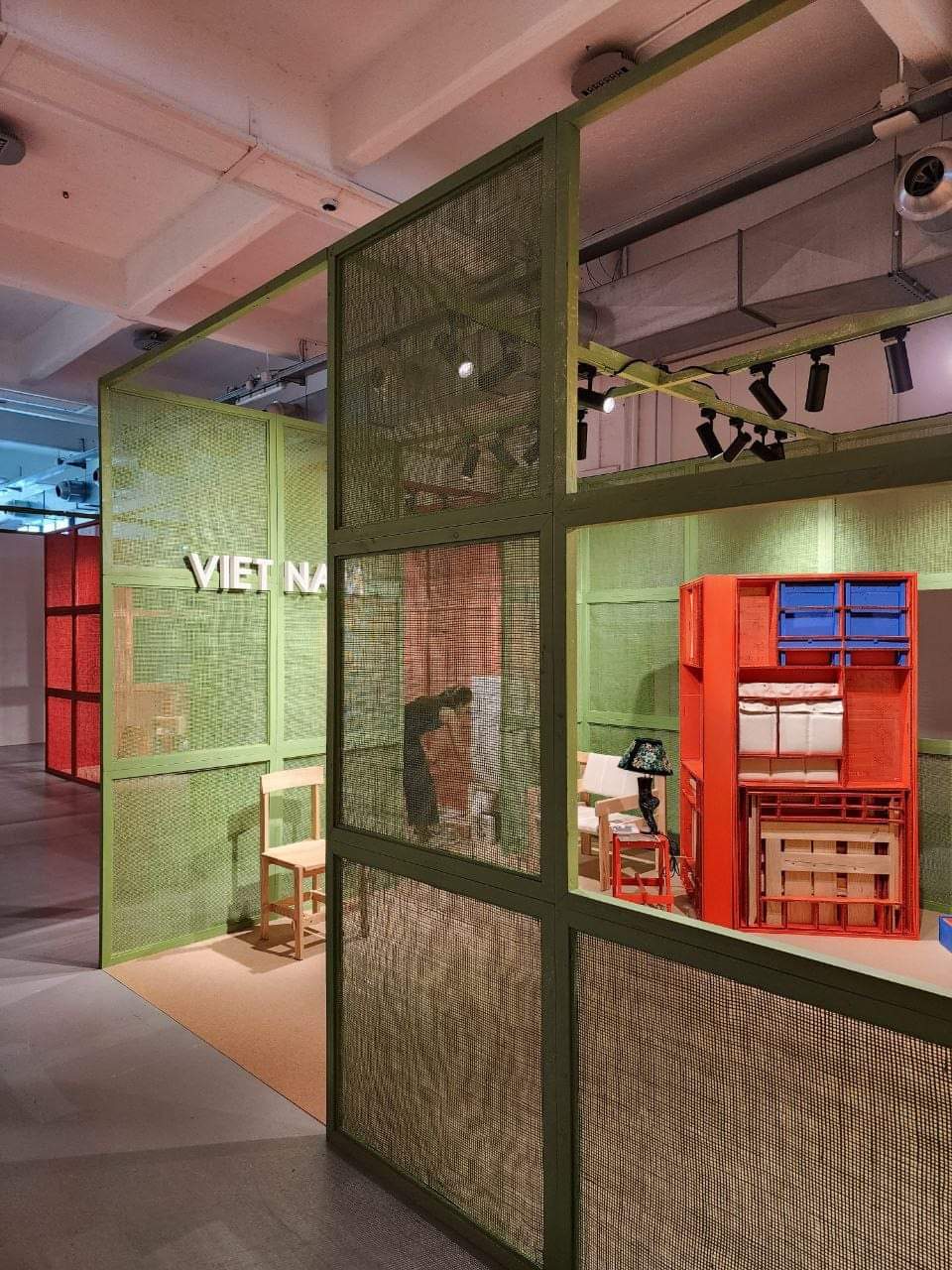
 The Việt Nam Pavilion at Milan Design Week 2024 was a success! The pavilion was organized by the Ho Chi Minh City Investment and Trade Promotion Center (ITPC) and the Ho Chi Minh City Handicrafts and Wood Processing Association (HAWA). It was held from April 16 to 21, 2024, at the Superstudio Più exhibition venue in Milan, Italy.

The theme of the Vietnam Pavilion was "Saigon Metropolitan," which showcased the of traditional Vietnamese materials like mây (rattan) and tre (bamboo) alongside modern design elements. The pavilion itself was constructed from over 400 wooden modules that were combined with natural mây to create a unique and sustainable space.

The pavilion featured a variety of Vietnamese furniture, décor, and handicrafts from different designers and manufacturers. One of the highlighted products was the Wing desk by Noithat Nha Xinh, which won the prestigious iF Design Award in 2024. The Wing desk is an eco-friendly design that uses lighter materials to reduce its environmental impact.

The Vietnam Pavilion was well-received by visitors and media alike. It helped to raise awareness of Vietnamese design and craftsmanship on the international stage.


Sunday, August 27, 2023

The Hue Imperial Citadel

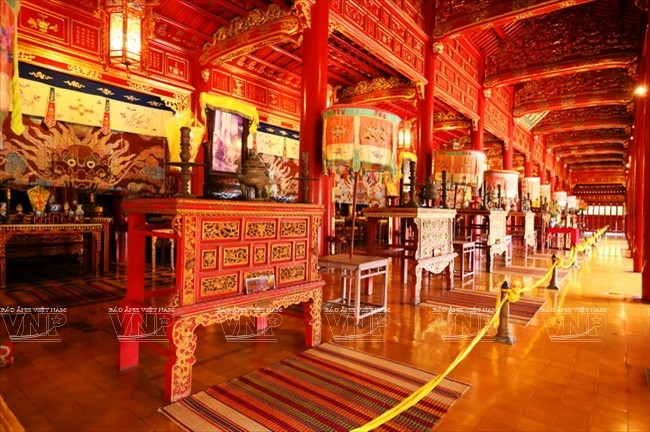
The Hue Imperial Citadel, also known as the Imperial City of Hue, is a UNESCO World Heritage Site located in Hue, Vietnam. It was the former capital of the Nguyen Dynasty, which ruled Vietnam from 1802 to 1945. The Citadel is a complex of royal palaces, temples, and structures that served as the political and cultural center of the empire. The Hue Imperial Citadel is famous for its architectural beauty, blending traditional Vietnamese design with elements of Chinese and French influences. The complex is surrounded by a moat and massive walls that enclose various areas, including the Forbidden Purple City, the Royal Citadel, and the Inner and Outer Courts. Visitors to the Hue Imperial Citadel can explore the various buildings, many of which have been restored and renovated. Some highlights include the Thai Hoa Palace, the Halls of the Mandarins, the Royal Library, and the Nine Dynastic Urns. The complex offers insights into the rich history and culture of Vietnam and is a must-visit destination for history enthusiasts and architecture lovers.

The architectural planning and design of the Hue Imperial Citadel in Vietnam were overseen by a team of Vietnamese architects and engineers during the Nguyen Dynasty. The exact names of the architects involved in the original construction are not widely known or documented. However, the overall layout and design of the Citadel were inspired by traditional Vietnamese architectural principles and influenced by Chinese imperial architecture. The construction of the citadel began in 1804 under the reign of Emperor Gia Long, and subsequent emperors made additions and modifications to the complex over the years. It's worth noting that the restoration and preservation efforts of the Hue Imperial Citadel in recent years have involved collaborations between local and international organizations, including historians, architects, and conservation experts. They have worked together to restore and protect the site's architectural integrity and cultural significance.