TIME LINE

Showing posts with label 6pm IDEAS. Show all posts

Tuesday, March 11, 2025

Designing Spaces – A Journey of Connection Between People and Landscapes

Where every element we introduce is not just an object but a part of an experiential journey. I firmly believe that "Design is a journey," and within this journey, the way we shape a space can completely transform how people perceive and interact with their surroundings.

Let’s start with a simple scene: imagine a row of resting chairs placed in an open, somewhat empty space—perhaps a corner of a park, a wide courtyard, or a riverside plot. At first glance, this row of chairs serves a basic function: a place to sit and relax. But if we leave it at that, the space risks feeling monotonous, lifeless, and disconnected from those who use it. So, how can we elevate its value? The answer lies in a small yet strategic addition: a display table.
When we introduce a display table into this setting, something magical happens. The table isn’t just a functional piece—it becomes the "golden point," a focal element in the visual field of anyone entering the space. Picture a beautifully designed table, perhaps adorned with a few books, a small vase of flowers, or even a piece of art. Instantly, it draws the eye, breaking the emptiness and bringing balance to the scene. The row of chairs transforms from a passive resting spot into a meaningful destination. People no longer just sit to rest—they’re drawn into a story told by the space: a story of harmony, attention to detail, and how design can awaken the senses.

Now, let’s flip the scenario. What if we’re not starting with an empty space but with a naturally stunning view? Think of a breathtaking vista: a river shimmering under the sunset, a range of mountains stretching into the distance, or an endless field of green. In this case, the role of design isn’t to create a new focal point but to maximize the existing beauty, guiding people through a richer, more immersive experience.
Here, I propose two approaches. First, we could add a decking platform with a row of footrest chairs. Imagine a wooden deck extending toward the best part of the view, lined with chairs thoughtfully positioned to let people soak in the scenery. This deck isn’t just a physical structure—it’s a bridge between humanity and nature, amplifying the connection to the landscape. Every step on the wooden surface, every moment spent sitting and gazing, becomes part of a journey of discovery.

The second approach, if the space allows, is to design a sequence of pathways—a winding trail that leads people through every beautiful angle of the view. This could be a stone-paved path, a gentle spiral staircase, or even a green corridor framed by trees. Each step along this route isn’t just movement—it’s an act of appreciation. From the panoramic vista at the highest point to the intricate details revealed up close, the journey unfolds naturally. Design here doesn’t merely serve a purpose; it sparks curiosity and invites exploration.

So, what ties these two scenarios together? Whether we begin with a blank slate or a pre-existing masterpiece, design acts as a guide. In the first case, it introduces a focal point to turn the ordinary into the extraordinary. In the second, it enhances and enriches the experience by unlocking the full potential of the landscape. Both approaches reaffirm that design isn’t a destination—it’s a journey, one that brings people closer to their surroundings, to nature, and to their own emotions.

I’d like to close with a question for all of us to ponder: The next time you step into a space—be it a small corner of your home or a vast outdoor landscape—what would you do to make it a memorable journey? For me, the answer lies in the subtlety of design, where every detail tells a story, and every space becomes an experience.

Sunday, September 29, 2024

HOSPITALITY DESIGN SAVE CULTURE, HERITAGE , CONSERVE AND REGENERATE THE NATURAL ENVIRONMENT.

Hospitality design plays a crucial role in preserving culture and heritage while promoting the conservation and regeneration of the natural environment. By integrating local traditions, materials, and architectural styles, hospitality projects can celebrate and reflect the unique identity of their surroundings, allowing guests to experience authentic cultural narratives. Incorporating sustainable practices—such as using reclaimed materials, efficient energy systems, and eco-friendly landscaping—ensures that these developments minimize their ecological footprint. Additionally, thoughtful design can enhance biodiversity by restoring natural habitats and incorporating green spaces that benefit both the local community and wildlife. By prioritizing these principles, hospitality design not only provides enriching experiences for guests but also actively contributes to the protection and revitalization of the cultural and environmental landscapes in which they exist.

Hospitality design plays a pivotal role in preserving and celebrating the culture of local communities by creating environments that reflect their unique identities and traditions. Thoughtfully crafted spaces incorporate local craftsmanship, traditional materials, and regional aesthetics, allowing guests to immerse themselves in the cultural narratives of the area. By showcasing local art, cuisine, and customs, hospitality venues foster a deeper connection between visitors and the community, promoting cultural appreciation and understanding. Additionally, collaborating with local artisans and businesses not only enriches the guest experience but also supports the economic sustainability of the area, ensuring that the cultural heritage is celebrated and preserved for future generations. In this way, hospitality design becomes a powerful vehicle for honoring and sustaining the rich traditions that define a locale.

Hospitality design plays an essential role in preserving the heritage of local communities by thoughtfully incorporating their historical narratives, architectural styles, and cultural practices into the built environment. This approach ensures that the essence of the locale is reflected in every aspect of the guest experience, from the choice of materials to the design aesthetics. By highlighting traditional craftsmanship and honoring local history, hospitality venues can create spaces that celebrate the unique stories of the region while fostering a sense of pride among residents. Additionally, integrating elements that respect and reflect the community's heritage encourages visitors to engage with the local culture in meaningful ways. This commitment to heritage preservation not only enhances the authenticity of the hospitality experience but also contributes to the sustainability of local identity, ensuring that valuable traditions and legacies are preserved for generations to come.

Hospitality design has the potential to play a transformative role in conserving and regenerating the natural environment of local areas. By prioritizing sustainable practices, architects and designers can create eco-conscious spaces that minimize ecological footprints and enhance biodiversity. This includes using renewable resources, implementing energy-efficient systems, and incorporating native landscaping that supports local ecosystems. Additionally, thoughtful site selection and design can help restore habitats and protect natural landscapes, fostering a harmonious relationship between the built environment and nature. By embracing biophilic design principles— which connect occupants with the natural world—hospitality venues not only enhance guest experiences but also advocate for environmental stewardship. Such practices not only help preserve the surrounding ecosystem but also educate visitors about the importance of protecting and nurturing the local environment, ultimately contributing to its regeneration and long-term sustainability.

6PM IDEAS specializes in interior design, facility planning, and product design with a strong commitment to conserving and regenerating the natural environment within hospitality settings. By approaching each project with a focus on sustainability, 6PM IDEAS integrates eco-friendly materials and energy-efficient systems that complement the unique characteristics of the local landscape. Their design philosophy emphasizes the use of locally sourced materials and furnishings, reducing transportation impacts while supporting regional artisans and businesses. The firm also prioritizes biophilic design, creating spaces that blend seamlessly with the outdoors and enhance guests’ connection to nature. Features like natural lighting, green walls, and outdoor living areas not only beautify the space but also promote biodiversity and improve air quality. Through thoughtful facility planning, 6PM IDEAS ensures that hospitality environments encourage responsible land use and environmental stewardship, ultimately fostering a regenerative relationship between guests, the community, and the natural world.


Sunday, August 11, 2024

Interior lighting design

Interior lighting design is a critical aspect of creating functional and aesthetically pleasing spaces. It involves the strategic placement and selection of various lighting sources to enhance the ambiance, highlight architectural features, and ensure the comfort and well-being of occupants. Effective lighting design balances natural and artificial light, using a combination of ambient, task, and accent lighting to achieve the desired mood and functionality. The choice of fixtures, the color temperature of light, and the control systems all play a role in shaping the overall experience of a space. Well-designed lighting not only illuminates a room but also adds depth, texture, and character, transforming an ordinary space into a visually compelling and inviting environment.

Interior lighting design requires a thoughtful approach, particularly in understanding the aesthetic impact on the ceiling, known as the reflected ceiling. Being aware of how lighting interacts with the ceiling's surface is crucial, as it can significantly influence the overall ambiance of a space. To achieve optimal lighting results, interior design must go beyond basic placement and delve into detailed lighting specifications. This includes considering factors such as color temperature, beam angle, light source power, power supply, and the use of filters. These elements work together to create a balanced and visually appealing environment, ensuring that the lighting complements the design without resorting to a uniform distribution of lights across the ceiling based on intuition.

Color temperature, measured in Kelvin (K), is a fundamental aspect of interior lighting design that significantly influences the atmosphere and visual perception of a space. 1  Warmer color temperatures, ranging from 2700K to 3000K, emit a soft, yellowish light that evokes feelings of comfort and relaxation, making them ideal for residential areas like living rooms and bedrooms. 2  Conversely, cooler color temperatures, typically between 4000K and 6500K, produce a crisp, bluish-white light that stimulates alertness and focus, suitable for task-oriented spaces such as kitchens, offices, or study areas. 3  Neutral color temperatures, falling between 3000K and 4000K, offer a balanced and versatile option, adaptable to various interior styles. By carefully considering the intended mood, function, and aesthetic of a space, designers can skillfully manipulate color temperature to create environments that are both visually appealing and emotionally resonant.

Beam angle, measured in degrees, determines the spread of light emitted from a fixture. This critical factor significantly impacts the ambiance and functionality of a space. Narrow beam angles, typically under 30 degrees, create concentrated spotlights, ideal for accentuating artwork or architectural details. Medium beam angles, ranging from 30 to 60 degrees, offer a balance between focused and ambient lighting, suitable for general illumination in living rooms and dining areas. Wide beam angles, exceeding 60 degrees, produce a broad, diffused light, perfect for creating a relaxed atmosphere in spaces like bedrooms or lounges. By carefully selecting beam angles for different lighting layers, interior designers can sculpt light patterns that enhance spatial dimensions, highlight focal points, and evoke desired emotional responses, transforming a room from ordinary to extraordinary.

Light source power, measured in lumens, is a pivotal element in interior lighting design that directly impacts both the functionality and atmosphere of a space. Lumens quantify the total amount of visible light emitted by a source, determining the overall brightness and illumination level. For task-oriented areas such as kitchens, home offices, or reading nooks, higher lumen outputs are essential to ensure adequate visibility and prevent eye strain, enabling occupants to perform their activities comfortably and efficiently. Conversely, lower lumen levels create a softer, more intimate ambiance in relaxation zones like living rooms, bedrooms, or spa-like bathrooms, promoting tranquility and relaxation. Achieving the optimal balance between light source power and room size is crucial to prevent visual discomfort or excessive glare, which can negatively impact occupant well-being and visual performance. By carefully calculating the required lumen output for each space and considering the specific activities and desired ambiance, interior designers can create lighting schemes that not only meet functional requirements but also enhance the overall sensory experience.

Power supply is a critical component in interior lighting design often underestimated for its impact on overall project success. As the intermediary between the electrical grid and lighting fixtures, it significantly influences system performance, energy efficiency, and aesthetic potential. Advancements in lighting technology, particularly the widespread adoption of LEDs, have necessitated a broader range of power supply options. Factors such as voltage conversion, dimming capabilities, and energy efficiency must be carefully considered to optimize the lighting system's performance. Moreover, the power supply's physical attributes, including size, mounting options, and thermal management, influence its suitability for specific applications. A well-chosen power supply not only ensures reliable operation but also contributes to the overall lighting design concept. By understanding the intricate relationship between power supply and lighting fixtures, designers can create sophisticated illumination schemes that meet both functional and aesthetic objectives.

Filters are the unsung heroes of interior lighting design, subtly sculpting the quality of light and profoundly influencing the ambiance of a space. Beyond their functional role in mitigating glare and enhancing color rendition, filters possess the power to evoke specific emotions and create distinct atmospheres. Translucent diffusers soften harsh light, casting a gentle glow that promotes relaxation and intimacy. Colored gels introduce a vibrant and dynamic element, transforming spaces into immersive environments. For example, warm amber filters can evoke feelings of nostalgia and comfort, making them ideal for residential settings. Conversely, cool blue filters instill a sense of calm and serenity, often employed in spa-like environments. By carefully considering the desired mood, color palette, and architectural features of a space, designers can skillfully manipulate filters to create lighting schemes that are not only visually appealing but also emotionally resonant. The strategic use of filters demonstrates a deep understanding of light as a design tool, elevating interior spaces from functional to extraordinary.

Interior lighting analysis is a critical component of the design process, encompassing a rigorous evaluation of a space's illumination characteristics. This comprehensive assessment examines factors including light levels, distribution, color temperature, and quality to optimize visual comfort, energy efficiency, and aesthetic appeal. By meticulously analyzing these parameters, designers can identify opportunities to enhance task performance, create desired atmospheres, and minimize glare and visual discomfort. Furthermore, lighting analysis facilitates the selection of appropriate fixtures, luminaires, and control systems to achieve the project's specific goals. This data-driven approach ensures that the lighting design not only meets functional requirements but also contributes to the overall success of the interior environment.


Sunday, July 14, 2024

Verneer art

Veneer art transcends mere aesthetics, offering a refined and multifaceted approach to adorning furniture, frames, and even pushing boundaries in the realm of creative expression. Composed of meticulously applied thin wood sheets, veneer art boasts a rich history and allows the incorporation of rare or expensive wood varieties across larger surfaces while maintaining structural integrity.

Within the domain of furniture design, veneer artistry elevates pieces by introducing intricate patterns and textures. Common applications include tabletops, intricate drawer fronts, and visually captivating cabinet doors. The result is furniture that transcends function, becoming a conversation starter and a testament to craftsmanship.

For frames, veneer art offers a departure from the mundane. By meticulously combining veneers of diverse hues and textures, artisans craft stunning and singular picture frames. Imagine geometric patterns, blossoming floral motifs, or even miniature landscapes adorning your cherished artwork. The frame itself becomes an artistic statement, harmonizing with the enclosed piece while adding a touch of personalized grandeur.

But veneer art's true brilliance lies in its ability to transcend the realm of the practical. In the hands of skilled artists, veneer becomes a medium for creative expression, unbound by traditional applications. Sculptural wonders, captivating wall hangings, and a plethora of other decorative objects emerge from the artist's vision, meticulously crafted with thin wood sheets. The inherent beauty of the wood, alongside the boundless possibilities for design, empowers artists to translate their vision into captivating and unique works.

Marquetry, a technique involving the meticulous inlay of small veneer pieces to create intricate pictures or designs, is a cornerstone of veneer art. Intarsia, on the other hand, thrives on the precise cutting of shapes from contrasting veneers, subsequently assembled to form a cohesive image. Banding, a technique employing thin veneer strips, adds a touch of elegance by creating borders or accents, further highlighting the artistry within the piece.

Veneer art, with its rich history and enduring appeal, offers a timeless approach to design. By incorporating this practice, furniture, frames, and even standalone art pieces transcend their primary function, transforming into expressions of artistry and adding a touch of sophistication to any environment.


Friday, July 12, 2024

The Art of Tò He: A Glimpse into Hue's Candy Figurine Tradition

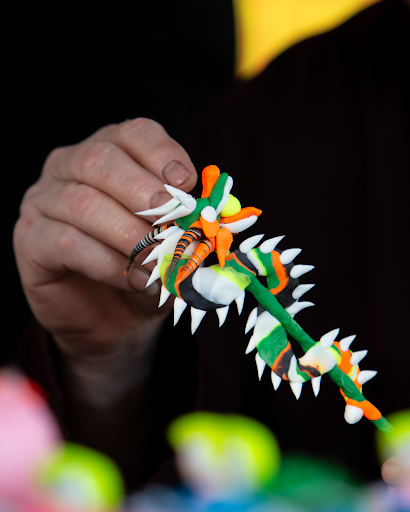
Amidst the bustling streets and rich cultural heritage of Hue, a unique and charming art form has captivated the hearts of young and old for generations – the art of crafting "to he" candy figurines. These delicate creations, painstakingly molded from glutinous rice flour and colored with vibrant hues, embody the essence of Hue's artistic spirit and culinary ingenuity.

The origins of Tò He can be traced back to the Nguyen Dynasty, Vietnam's last ruling imperial family. During the royal court's lavish festivities, artisans would meticulously craft intricate figurines depicting mythical creatures, folklore characters, and symbols of good fortune. These edible artworks served as both decorative centerpieces and sweet treats, delighting guests with their artistry and delectable flavors.

Over time, Tò He evolved from a courtly indulgence to a popular folk art, deeply ingrained in Hue's cultural identity. Street vendors and skilled artisans would transform simple dough into a kaleidoscope of shapes and colors, bringing to life beloved characters from Vietnamese folklore, such as the mischievous Cuoi (Kitchen God) and the graceful fairy Thuy Tien.

Creating Tò He is a labor of love that demands patience, dexterity, and a touch of artistry. The process begins with preparing a special dough made from glutinous rice flour, carefully kneaded and steamed to achieve the desired consistency. Once pliable, the dough is divided into small portions, each destined to become a unique figurine.

With nimble fingers and a keen eye for detail, artisans shape the dough into intricate forms, breathing life into mythical creatures, legendary heroes, and everyday objects. Each figurine is then meticulously painted using natural dyes, transforming the plain dough into a vibrant masterpiece.

TOHE figurines more than just sweet treats; they are tangible expressions of Hue's rich cultural heritage and a symbol of joy and celebration. During festivals and special occasions, these colorful creations adorn homes and streets, adding a touch of whimsy and delight to the festivities.

In recent years, Tò He has experienced a resurgence in popularity, as younger generations rediscover the charm and artistry of this traditional craft. Workshops and demonstrations are now offered, allowing visitors to learn the techniques and create their own Tò He figurines, carrying on this cherished legacy.

As you wander through the streets of Hue, keep an eye out for the vibrant stalls of Tò He artisans. These colorful displays are not just mere shops; they are windows into Hue's cultural soul, offering a glimpse into a time-honored tradition that continues to captivate hearts and taste buds.

Whether you indulge in the sweet treat or simply admire the artistry, Tò He is an integral part of Hue's cultural identity. It is a reminder of the city's rich heritage, its deep connection to folklore and tradition, and its enduring love for art and creativity.


Monday, May 27, 2024

Healing and Emotional Intelligence: An In-Depth Exploration

Introduction

In today's challenging and stressful world, mental and emotional health have become some of the most important factors for maintaining a high quality of life. The pressures from work, family, and society can negatively impact one's psychological and emotional well-being. In this context, two crucial concepts emerge: "healing" and "emotional intelligence." Healing is the process of recovering from mental and emotional wounds, while emotional intelligence is the ability to perceive, manage, and regulate one's own emotions as well as those of others. This essay will delve into the relationship between these two concepts and how they can help improve the quality of life.

Healing: Concept and Process

Healing is a complex and multi-dimensional process that not only includes physical recovery but also requires restoring mental and emotional balance. This is a journey that each person must undertake with patience and effort.

1. Psychological Healing

Psychotherapy is an effective healing method that helps patients understand the root causes of their mental issues. Common therapeutic approaches include cognitive-behavioral therapy (CBT), psychodynamic therapy, and person-centered therapy. Cognitive-behavioral therapy helps patients identify and change negative thoughts and behaviors, while psychodynamic therapy focuses on exploring underlying conflicts in the psyche. Person-centered therapy, with its emphasis on empathy and unconditional acceptance from the therapist, helps patients feel heard and understood.

2. Healing Through Spiritual Practices

Methods such as meditation, yoga, and mindfulness have been proven to significantly reduce stress and increase awareness. Meditation, for example, helps practitioners reduce anxiety, improve sleep, and enhance concentration. Yoga not only benefits the body but also helps release mental stress through the combination of breath and flexible movements. Mindfulness, with its focus on the present moment and non-judgmental awareness, helps practitioners break free from the cycle of negative thoughts and find inner peace.

3. Healing Through Art and Creativity

Journaling, painting, music, and other artistic activities are approaches that allow individuals to express emotions safely and effectively. These activities not only help release emotions but also stimulate creativity and self-discovery. Journaling, for instance, is an excellent medium for releasing suppressed emotions and exploring oneself more deeply. Painting and other forms of art provide a space to express complex emotions that words might struggle to convey.

Emotional Intelligence: Structure and Role

Emotional intelligence, as proposed by Daniel Goleman, comprises five key components: self-awareness, self-regulation, motivation, empathy, and social skills. These components not only improve personal relationships but also play a critical role in the workplace, enhancing leadership, conflict resolution, and teamwork.

1. Self-Awareness

Self-awareness is the ability to recognize and understand one's own emotions. This is the first and most crucial step in developing emotional intelligence. When we are aware of our emotions, we can understand their root causes and find ways to address them.

2. Self-Regulation

Self-regulation is the ability to control and adjust one's emotions in various situations. People with high self-regulation remain calm and are less dominated by negative emotions. They can maintain composure and decisiveness in stressful situations, leading to rational and sound decisions.

3. Motivation

Personal motivation drives us toward goals and maintains perseverance. Motivation comes not only from external sources but also from within, from passion and commitment to what we are doing. Highly motivated individuals tend to work hard, persist, and not give up easily in the face of difficulties.

4. Empathy

Empathy is the ability to understand and share the feelings of others. Empathy helps build and maintain social relationships, creating a solid support network. When we are empathetic, we can understand and sympathize with what others are going through, thus fostering connection and mutual support.

5. Social Skills

Social skills are the ability to build and maintain healthy social relationships. These skills include effective communication, conflict resolution, and teamwork. Social skills not only help us interact effectively in personal relationships but are also crucial in the workplace, creating a positive and collaborative work environment.

The Relationship Between Healing and Emotional Intelligence

Healing and emotional intelligence are not only closely related but also mutually reinforcing. The healing process requires a high degree of self-awareness, a core component of emotional intelligence. When we can recognize and understand our emotions, we find it easier to control and regulate them, thus facilitating the healing proce


Monday, May 13, 2024

Effective Site Analysis in Architecture and Urban Planning: A Step-by-Step Guide

Effective site analysis is a crucial step in the architectural and urban planning process, ensuring that designs are well-informed, responsive to the context, and meet the needs of users. It involves a comprehensive examination of the physical, environmental, social, and regulatory factors that influence the site. Here's a step-by-step guide to conducting an effective site analysis:

1. Data Collection:

Gather existing data, including maps, surveys, and legal documents. This information provides a baseline understanding of the site's characteristics and constraints.

2. Field Survey:

Conduct a thorough site visit to observe and record physical conditions such as topography, soil, vegetation, and existing structures. Pay attention to natural elements like sunlight, wind patterns, and water resources.

3. Context Analysis:

Investigate the broader context surrounding the site, encompassing cultural, historical, and social aspects. Analyze adjacent buildings, infrastructure, and land uses to understand the site's relationship to its surroundings.

4. Environmental Impact:

Assess potential environmental limitations, such as flood zones, earthquake hazard susceptibility, and environmental protection regulations. Consider sustainability aspects, such as the potential for solar energy or rainwater harvesting.

5. User Needs and Requirements:

Understand the needs and requirements of potential users or residents. Consider demographic information and growth projections to ensure the design aligns with future demands.

6. Regulatory Review:

Review local zoning laws, building codes, and other regulatory constraints or incentives that may impact the design. Ensure the project adheres to all applicable regulations.

7. SWOT Analysis:

Conduct a SWOT (Strengths, Weaknesses, Opportunities, Threats) analysis to identify both the potential and limitations of the site. This helps in developing a strategic approach to design.

8. Synthesis and Concept Development:

Integrate the collected data to develop a comprehensive understanding of the site. Start conceptualizing design solutions that address the identified issues and opportunities.

9. Documentation and Presentation:

Document all findings and analyses with detailed notes, sketches, photographs, and maps. Prepare a presentation to effectively communicate the site analysis to stakeholders or clients.

By following these steps, architects and urban planners can make informed decisions that align with environmental, regulatory, and specific user criteria, leading to more successful and sustainable project outcomes.

Thursday, May 2, 2024

6PM IDEAS - Pioneering Support for Eco-friendly Tourism Development

New Picture for Vietnam's Tourism Map. The rapid expansion of Vietnam's high-speed transportation network is painting a whole new picture for the tourism industry, opening up a world of possibilities for visitors to explore and experience the country. The modern highway system, spanning across all regions of the nation, offers these practical benefits:

Seamless Connectivity - Opening Doors to All Regions: With the high-speed transportation system, tourists can easily travel between popular tourist destinations in a short time, saving money and optimizing their time for sightseeing and exploration. A prime example is the completion of the North-South Expressway, which has reduced the travel time from Hanoi to Ho Chi Minh City to just one day, instead of two days as before.

The intelligent transportation system opens up opportunities to access pristine locales with untapped tourism potential. Thanks to the ease of travel, tourists can freely explore new destinations, experience unique cultures, and immerse themselves in the breathtaking natural landscapes of each region.

The modern and safe road system provides an ideal environment for tourists to confidently drive and explore Vietnam at their own pace. Self-drive tourism is becoming increasingly popular, offering tourists autonomy, flexibility, and an unparalleled experience.

The high-speed transportation system is contributing to the strong development of new tourism forms such as wellness retreats, ecotourism, and adventure tourism. Tourists can easily reach high-end resorts, eco-tourism sites, and entertainment complexes in various locations, catering to the diverse needs of travelers.

The tourism boom brought about by the intelligent transportation system has a positive impact on local economies, creating numerous job opportunities for residents, especially in the tourism, hospitality, and food and beverage sectors.

6PM IDEAS - Pioneering Support for Eco-friendly Tourism Development

In an effort to contribute to environmental protection and promote sustainable tourism, 6PM IDEAS is implementing a program to support the preparation of pre-feasibility studies for eco-friendly and under-the-canopy retreat projects. The program's mission is to:

Encourage Investment in Green Tourism: 6PM IDEAS provides financial and technical support to investors in developing eco-friendly tourism projects, contributing to the protection of ecosystems and natural landscapes.

Enhance Sustainable Tourism Models: 6PM IDEAS supports projects that implement energy-saving solutions, efficient resource utilization, waste reduction, and protection of wildlife habitats.

Deliver Unique Tourism Experiences: 6PM IDEAS emphasizes tourism experiences that are connected to nature, local culture, and environmental protection. Tourists participating in eco-friendly tourism projects will have the opportunity to experience unique and meaningful values.

Contact 6PM IDEAS for Support:

Website: https://6pmideas.blogspot.com/

Profile: https://acrobat.adobe.com/id/urn:aaid:sc:AP:b17c51e1-52c5-4834-91cc-2118215ec5c9

Email: 6pm.ideas@gmail.com

Hotline: (+84) 975675278


Wednesday, January 10, 2024

Project Management Documentation

Project Management Documentation

Project Initation

Business Case

Templates

• Project Assessment

• Project Deliverable

Project Charter

• Initial Project Risk

■ Project Planning

• Gantt Chart Excel

• SWOT Analysis Template

• Action Plan Template

Procurement (3)

• Purchase Order

• Procurement Plan

Recovery Policy Template

• Performance Report

■PM Essentials

• Multiple Project Tracker

Portfolio Dashboard

Project Pipeline Tracker

• Project Scope Template

■ PMO

• PMO Action Plan

• PMO Comms Plan

• PMO Business Case

• PMO KPI Dashboard

• PMO Charter Document

• PMO Roles

Project Tracking

• RACI Excel Template

Root Cause Analysis

Gap Analysis Template

• Execution Tracking

RAID Log Excel

Risk Management

• Incident Priority

• Risk Identification

• Cause/Effect Diagram

• Risk Management

• Issue Resolution Process

■WBS Management

Checklist Template

WBS Construction Template

• WBS Plan (DOC +PDF)

Project Costing

• Cost Benefits Analysis

Cost Estimation Plan

• Earned Value Template

• Project Budget Template

Staff Management

• Staff Competency Matrix

• Stakeholder Matrix

• Project Resource Matrix


Friday, December 15, 2023

Calder a workshop master

As a designer, my role model is not a successful architect or interior designer, but a workshop master. For Calder, art is not limited by space or style. Balance is created between counterweight and proportion or distance. Walking through that artistic thinking, we will see it come alive by the interaction of gravity, color, and geometry. I am bringing that baggage into my design work to not be dependent on knowledge and reasoning that are binding.


Tuesday, October 31, 2023

6PM IDEAS

6pm is the time of transition between the light of sunset and the lights of human life. It is a time of great emotion when the work of a day ends, leaving the colorful private lives of each person flooding their minds. 6PM IDEAS is an interior solutions company that has successfully completed many projects in many provinces and cities in Vietnam and internationally. Since its entry into the market in 2003, 6PM IDEAS has specialized in the fields of interior design, facility planning, and product design for projects:

Community

Lifestyle

6PM IDEAS respects the diversity of all movements that form creativity, as well as development and contributes to encouraging it. Passion for beauty, understanding traditional values, and always staying up-to-date with technological developments are our outstanding strengths. With experience and perseverance in the field of creativity, we are confident in bringing our customers the best values. We always strive to find reliable and reputable partners to work together for development. We look forward to cooperating with you.