TIME LINE

Showing posts with label Culture. Show all posts

Sunday, November 24, 2024

Thai Hoa Palace, renovation 2024

Thai Hoa Palace, nestled within the UNESCO-recognized Complex of Hue Monuments in Vietnam, stands as a testament to the rich cultural and architectural heritage of the Nguyen Dynasty. Built in 1805 during the reign of Emperor Gia Long, the palace served as the ceremonial heart of the Hue Imperial Citadel, where emperors held grand court meetings, royal ceremonies, and diplomatic receptions. The name "Thai Hoa" translates to "Supreme Harmony," embodying the dynasty's aspiration for a prosperous and unified nation.

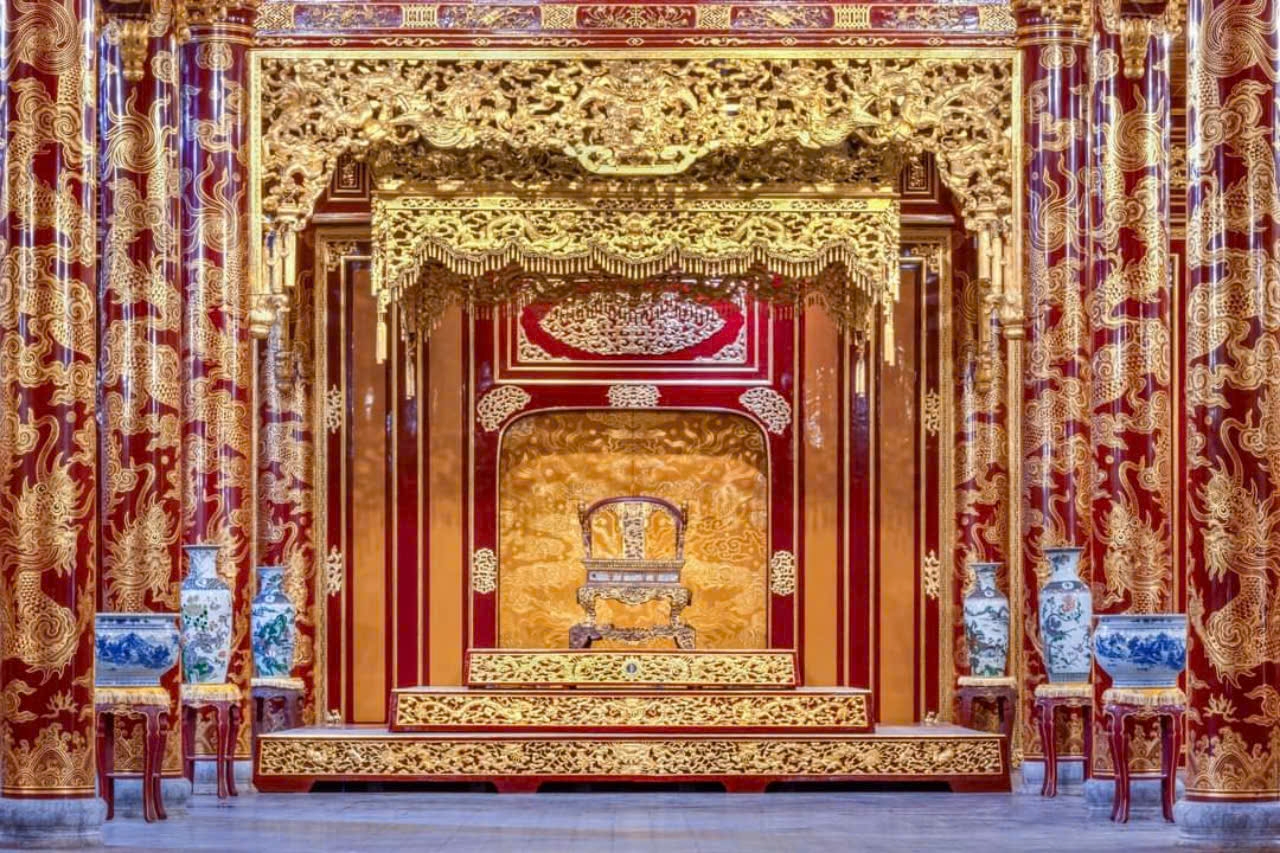
The architecture of Thai Hoa Palace reflects the meticulous craftsmanship and profound symbolism characteristic of Nguyen-era design. The palace’s structure features a harmonious blend of Confucian and traditional Vietnamese aesthetics, emphasizing symmetry and balance. Its iconic double-tiered roof is adorned with intricate dragon motifs, symbolizing imperial power and divine protection. The vibrant yellow and red hues of the roof tiles and columns further highlight its regal significance, as these colors were reserved exclusively for the emperor. The interiors are equally striking, with lacquered wooden beams and pillars embellished with gold inscriptions of Confucian teachings, evoking a sense of grandeur and reverence.

Constructed primarily from wood, the palace showcases traditional Vietnamese building techniques that prioritize natural materials and open spaces. The central hall, supported by rows of ornately carved columns, creates an expansive and dignified environment for imperial audiences. The surrounding gardens and courtyards further enhance the serene atmosphere, aligning with the Confucian ideals of harmony between man and nature.

Over the centuries, Thai Hoa Palace has witnessed the rise and fall of the Nguyen Dynasty and endured the ravages of war and time. Despite suffering significant damage during conflicts, including the Vietnam War, restoration efforts have sought to preserve its historical and cultural essence. Today, the palace remains a symbol of Vietnam’s imperial past, attracting visitors from around the world who seek to experience its historical and architectural splendor.

As a cornerstone of Hue’s cultural landscape, Thai Hoa Palace continues to inspire awe, offering a window into the artistry, history, and aspirations of the Nguyen Dynasty. Its enduring legacy reflects the resilience of Vietnamese heritage and the timeless allure of its imperial architecture.

Thai Hoa Palace, a crown jewel of the Hue Imperial Citadel, is undergoing a significant renovation in 2024 as part of Vietnam's ongoing efforts to preserve its cultural heritage. The project, initiated by the Hue Monuments Conservation Center, seeks to restore the iconic palace to its former grandeur while ensuring its structural integrity and historical accuracy. This ambitious undertaking highlights the importance of safeguarding this UNESCO World Heritage site for future generations.

The restoration focuses on revitalizing the palace’s wooden framework, which has been weathered by centuries of exposure to Vietnam's tropical climate. Experts are employing traditional carpentry techniques to replace damaged wooden components, ensuring authenticity in materials and craftsmanship. The intricate carvings and lacquered surfaces, adorned with gold leaf and traditional motifs, are being meticulously restored by skilled artisans to recapture the splendor of the Nguyen Dynasty era. These efforts aim to strike a balance between preserving historical authenticity and incorporating modern conservation methods.

One of the critical challenges of the renovation is addressing structural vulnerabilities while respecting the original design. Engineers and architects are carefully strengthening the foundation and roof, which are essential to the palace's longevity. Advanced techniques, such as 3D scanning and digital modeling, are being used to document the palace's intricate details and guide restoration efforts. This innovative approach not only enhances precision but also creates a valuable digital archive for future research and conservation.

The 2024 restoration project also includes improvements to the surrounding environment, such as landscaping the gardens and upgrading pathways to enhance the visitor experience. These updates aim to create a more immersive and educational journey, allowing visitors to appreciate the palace’s historical significance while enjoying a tranquil setting. The project underscores the collaborative efforts of local authorities, conservation experts, and international partners, emphasizing the global value of Thai Hoa Palace.

As the renovation progresses, Thai Hoa Palace is poised to reclaim its status as a symbol of Vietnam's imperial legacy and architectural brilliance. This meticulous restoration ensures that the palace will continue to inspire awe and reverence, connecting people to the rich cultural tapestry of the Nguyen Dynasty. The project represents a powerful commitment to preserving the past while embracing innovative methods, securing the palace’s place in history and its role as a beacon of cultural pride.




Sunday, September 29, 2024

HOSPITALITY DESIGN SAVE CULTURE, HERITAGE , CONSERVE AND REGENERATE THE NATURAL ENVIRONMENT.

Hospitality design plays a crucial role in preserving culture and heritage while promoting the conservation and regeneration of the natural environment. By integrating local traditions, materials, and architectural styles, hospitality projects can celebrate and reflect the unique identity of their surroundings, allowing guests to experience authentic cultural narratives. Incorporating sustainable practices—such as using reclaimed materials, efficient energy systems, and eco-friendly landscaping—ensures that these developments minimize their ecological footprint. Additionally, thoughtful design can enhance biodiversity by restoring natural habitats and incorporating green spaces that benefit both the local community and wildlife. By prioritizing these principles, hospitality design not only provides enriching experiences for guests but also actively contributes to the protection and revitalization of the cultural and environmental landscapes in which they exist.

Hospitality design plays a pivotal role in preserving and celebrating the culture of local communities by creating environments that reflect their unique identities and traditions. Thoughtfully crafted spaces incorporate local craftsmanship, traditional materials, and regional aesthetics, allowing guests to immerse themselves in the cultural narratives of the area. By showcasing local art, cuisine, and customs, hospitality venues foster a deeper connection between visitors and the community, promoting cultural appreciation and understanding. Additionally, collaborating with local artisans and businesses not only enriches the guest experience but also supports the economic sustainability of the area, ensuring that the cultural heritage is celebrated and preserved for future generations. In this way, hospitality design becomes a powerful vehicle for honoring and sustaining the rich traditions that define a locale.

Hospitality design plays an essential role in preserving the heritage of local communities by thoughtfully incorporating their historical narratives, architectural styles, and cultural practices into the built environment. This approach ensures that the essence of the locale is reflected in every aspect of the guest experience, from the choice of materials to the design aesthetics. By highlighting traditional craftsmanship and honoring local history, hospitality venues can create spaces that celebrate the unique stories of the region while fostering a sense of pride among residents. Additionally, integrating elements that respect and reflect the community's heritage encourages visitors to engage with the local culture in meaningful ways. This commitment to heritage preservation not only enhances the authenticity of the hospitality experience but also contributes to the sustainability of local identity, ensuring that valuable traditions and legacies are preserved for generations to come.

Hospitality design has the potential to play a transformative role in conserving and regenerating the natural environment of local areas. By prioritizing sustainable practices, architects and designers can create eco-conscious spaces that minimize ecological footprints and enhance biodiversity. This includes using renewable resources, implementing energy-efficient systems, and incorporating native landscaping that supports local ecosystems. Additionally, thoughtful site selection and design can help restore habitats and protect natural landscapes, fostering a harmonious relationship between the built environment and nature. By embracing biophilic design principles— which connect occupants with the natural world—hospitality venues not only enhance guest experiences but also advocate for environmental stewardship. Such practices not only help preserve the surrounding ecosystem but also educate visitors about the importance of protecting and nurturing the local environment, ultimately contributing to its regeneration and long-term sustainability.

6PM IDEAS specializes in interior design, facility planning, and product design with a strong commitment to conserving and regenerating the natural environment within hospitality settings. By approaching each project with a focus on sustainability, 6PM IDEAS integrates eco-friendly materials and energy-efficient systems that complement the unique characteristics of the local landscape. Their design philosophy emphasizes the use of locally sourced materials and furnishings, reducing transportation impacts while supporting regional artisans and businesses. The firm also prioritizes biophilic design, creating spaces that blend seamlessly with the outdoors and enhance guests’ connection to nature. Features like natural lighting, green walls, and outdoor living areas not only beautify the space but also promote biodiversity and improve air quality. Through thoughtful facility planning, 6PM IDEAS ensures that hospitality environments encourage responsible land use and environmental stewardship, ultimately fostering a regenerative relationship between guests, the community, and the natural world.